Ethical Silk Fashion That Lets You Shine
Share
Ethical Silk Fashion that lets you shine.
Ethical Silk Fashion that lets you shine. A silk kaftan catches the light differently at sunset: soft, luminous and wonderfully alive as you move. That sense of occasion is part of silk’s enduring appeal, but ethical silk fashion asks for more than a beautiful finish. It asks us to consider the hands behind the handwork, the quantity produced, the life a garment will have in your wardrobe and the care taken at every stage.
For women who dress with expression, this is not about making style quieter or less glamorous. It is about choosing pieces with presence and purpose: richly printed silk, intricate embellishment and elegant drape made to be worn again for a beach escape, a long lunch, a wedding celebration or an evening where your outfit deserves its own entrance.
What ethical silk fashion really means
There is no single label that makes a silk garment ethical. Silk is a natural fibre, but natural does not automatically mean low-impact or fair. A more considered approach looks at the full picture: how the material is sourced and processed, who makes the garment, whether makers are paid fairly, how much is produced, and whether the finished piece is designed to last beyond one season.
For silk fashion, transparency matters. A thoughtful brand should be able to speak clearly about its materials, its production relationships and the craftsmanship involved. It should avoid treating artisan labour as a decorative footnote. Beading, embroidery, print placement and hand-finishing take time, skill and patience. When that work is recognised and fairly compensated, the garment carries a different kind of luxury.
The details of silk production can vary widely, too. Some shoppers seek particular silk-making methods for personal reasons, while others focus most closely on fibre quality, worker welfare, dyeing practices or garment longevity. These priorities can coexist. The most useful question is not whether a piece is perfect, but whether a brand is making specific, responsible choices rather than relying on vague claims.
Why small-batch silk makes a difference
Fashion loses some of its magic when every look is produced in endless quantities. Small-batch production offers a more intentional alternative. It allows designers to create limited-edition prints and embellishment-led pieces without flooding wardrobes with identical garments or producing far beyond demand.
That does not mean every small run has a tiny environmental footprint. Silk still requires resources, and production always has an impact. Yet making fewer, more distinctive pieces can support a better relationship with clothing. Instead of buying something for one photo and forgetting it, you choose a statement piece that earns repeat wear.
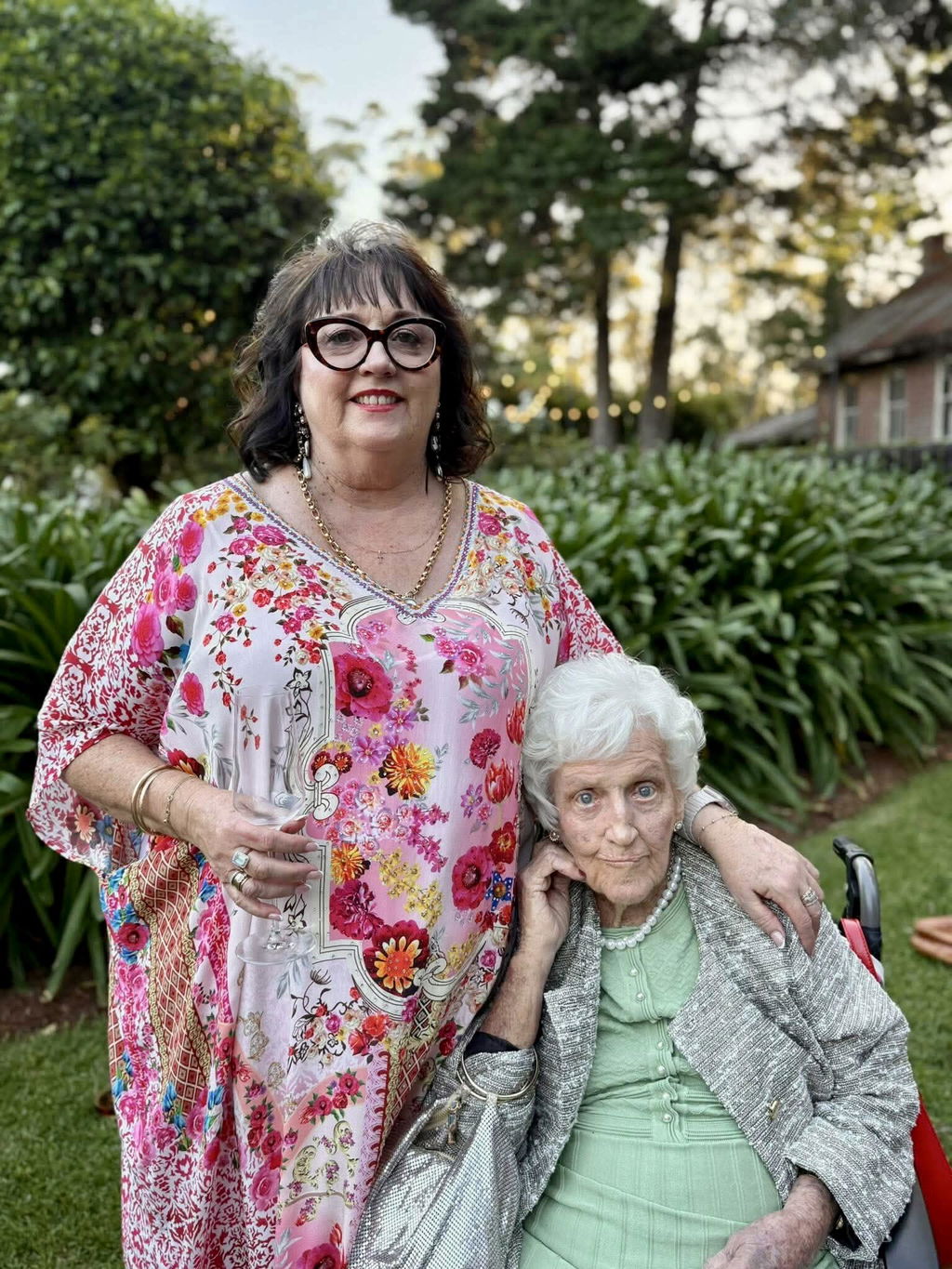
A vibrant silk kaftan is a beautiful example. It can be a poolside cover-up over swimwear, then become dinner-ready with sandals, earrings and a defined waist. A silk jacket can lift simple black separates, travel beautifully for a special event and bring colour to an otherwise understated outfit. Versatility is not a compromise in this kind of dressing. It is how a luxurious piece becomes genuinely useful.
At Kaftans That Bling, limited-edition design and artisan-led finishing are central to that idea. The aim is not to chase disposable novelty, but to offer expressive pieces that feel personal when you wear them and considered in how they are made.
The craftsmanship behind the shine
The most memorable silk fashion has texture as well as colour. A hand-applied crystal detail, embroidery around a neckline or careful placement of a bold print can turn an easy silhouette into something extraordinary. These elements are also where responsible production becomes especially meaningful.
Handmade detailing should never be treated as invisible labour. When choosing an embellished garment, look beyond the sparkle. Consider whether the design feels thoughtfully executed, whether the finishing is secure and whether the brand communicates respect for the people whose skills bring it to life. Fair wages and safe working conditions are not a trend. They are a baseline for fashion that claims to value craft.
Quality is part of the ethics, too. Fine silk should feel smooth yet substantial enough for its intended style, with seams that sit neatly and details that are made to stay put. A garment that lasts is not only better value for your wardrobe; it reduces the pressure to replace it quickly. The goal is a piece you reach for because it still feels stunning, not one you keep merely because it was expensive.
How to choose ethical silk fashion with confidence
Start with the information a brand shares. Clear material descriptions are more useful than broad phrases such as ‘conscious’ or ‘eco-friendly’. Natural silk, silk blends and synthetic satin each perform differently, so it is worth knowing exactly what you are buying. Silk has a distinctive breathability and drape, making it particularly lovely in warm-weather resortwear and relaxed, flowing shapes.
Then consider production scale. Limited quantities, deliberate collections and designs that are not tied to a two-week trend can signal a more thoughtful model. This is especially relevant when you are investing in a hero piece. A dramatic print should feel like an extension of your personality, not a costume with a very short expiry date.
Fit is another practical part of buying better. An ethical garment is more likely to be worn often if it makes you feel comfortable and confident. Look for inclusive, forgiving silhouettes that allow movement, whether you prefer a sweeping kaftan, a kimono robe, a fluid dress or silk separates that can be styled your way. A good fit is not about hiding your body. It is about letting you enjoy the room, the dancefloor and the holiday without fussing with your outfit.
Finally, be honest about your lifestyle. If you mostly travel with carry-on luggage, a lightweight silk layer with multiple styling options may serve you better than a highly structured occasion dress. If weddings, celebrations and dinners fill your calendar, an embellished cape or silk jacket may become your signature finishing piece. Ethical choices are strongest when they suit the life you actually lead.
Give silk a longer, more glamorous life
Caring for silk is an act of appreciation, not a chore. Check the garment label first, particularly if it has embellishment or delicate handwork. Many silk pieces benefit from professional cleaning, while some may be suitable for gentle hand washing with a silk-friendly detergent. Avoid twisting or wringing the fabric, and dry it away from direct sun to help preserve the colour.
Store silk clean and dry, ideally away from harsh light and snagging jewellery. If you need to remove creases, use a low-heat setting with care or hang the garment in a steamy bathroom before an event. Small habits protect the softness, sheen and beautiful fall of the fabric.
Styling also extends a garment’s life. Wear your favourite kaftan open over a camisole and tailored trousers, belt it for a different silhouette, or layer a silk robe-style piece over a slip dress for evening elegance. Repeating an outfit is not a failure of imagination. It is proof that the piece has become part of your personal style.
The most considered wardrobe is not colourless or overly cautious. It can be bright, embellished and joyfully unmistakable. Choose silk that honours craft, wear it with confidence, and let every occasion give it another reason to shine.