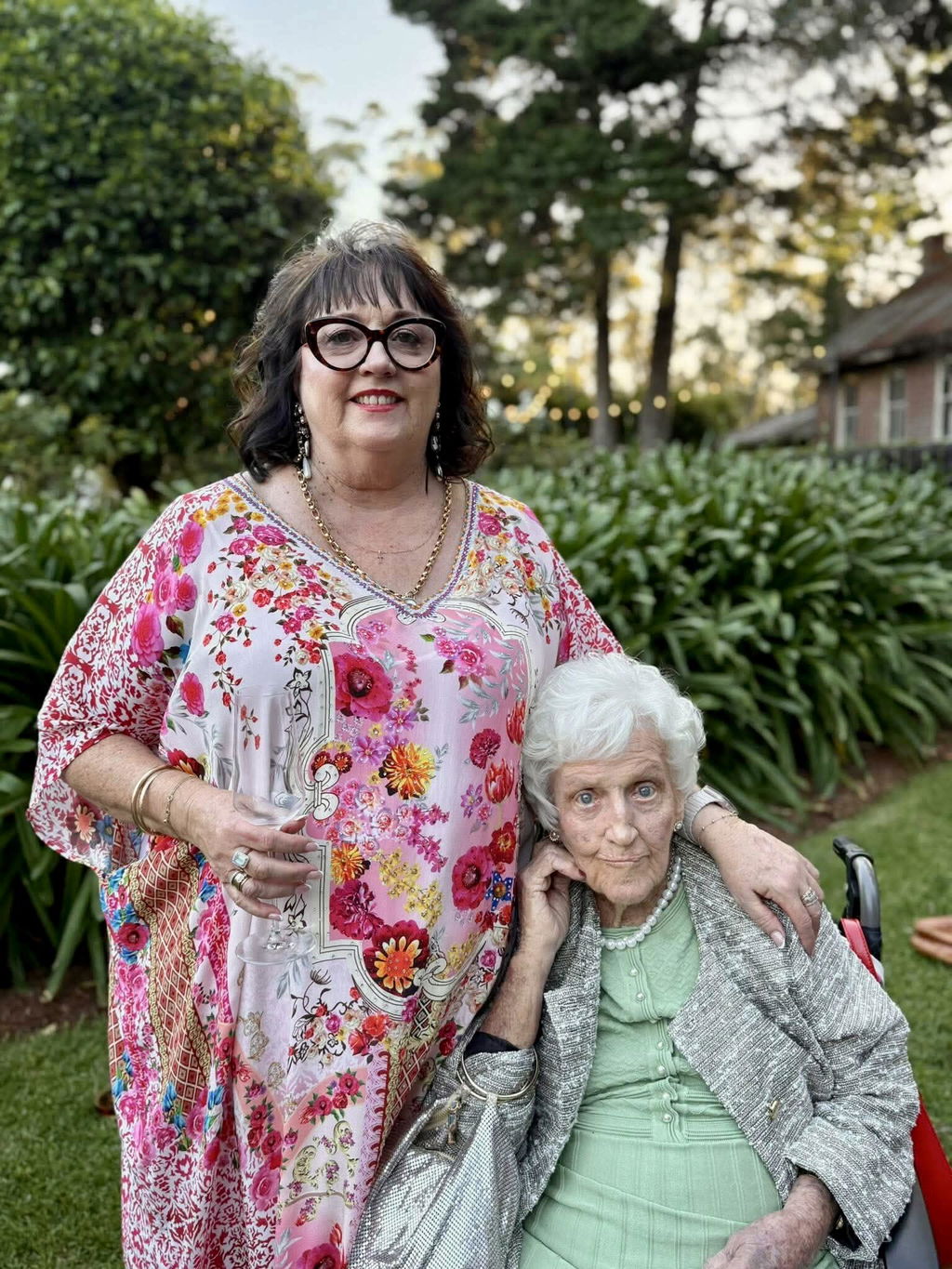
Silk Versus Viscose: Which Feels More Luxurious?
Teilen
A kaftan can look dramatic from across the room, but the fabric tells the real story once it touches your skin. In the silk versus viscose conversation, both fabrics can offer a fluid drape and beautiful movement, yet they feel, wear and age very differently. For resort escapes, celebration dressing and those moments when you simply want to shine, knowing the difference helps you choose a piece you will reach for again and again.
Silk versus viscose at a glance
Silk is a natural protein fibre, made from filaments spun by silkworms. It has a distinctive lustre, a soft yet substantial hand feel, and a natural ability to adapt to changing temperatures. The fabric can appear glossy or softly matte depending on the weave, but it almost always has a depth of colour and movement that feels special.
Viscose is a regenerated cellulosic fibre. It begins with plant-based pulp, which is processed and re-formed into fine fibres. It is often called rayon, although the terms can be used in different ways on garment labels. Viscose can be very smooth, light and drapey, making it a popular choice for flowing dresses, cover-ups and relaxed separates.
Neither fabric is automatically right for every occasion. The better question is what you want from the garment: exceptional natural lustre and long-term luxury, or a soft, easy-wearing piece with a silk-like appearance.
The feel: softness is only part of the story
At first touch, high-quality viscose can feel remarkably soft. It has a cool, slippery surface and falls elegantly over the body, especially in a lightweight weave. This makes it lovely for loose summer silhouettes and breezy layers.
Silk, however, has a more complex feel. It is smooth but not synthetic-slick, featherlight but not flimsy, and naturally responsive to the body. A silk kaftan glides rather than clings, allowing the silhouette to move with you from a poolside lunch to an evening celebration. Its softness has presence - the kind that makes a simple shape feel instantly elevated.
The difference often becomes clearer with wear. Viscose may feel beautifully soft when new, but it can lose some of its polished finish over time if it is repeatedly washed or worn in high-friction areas. Quality silk, cared for properly, tends to retain its graceful texture and distinctive sheen for years.
Lustre and colour
Silk catches light in a way few fibres can match. Its triangular fibre structure refracts light, creating that recognisable luminous glow. This is why vibrant jewel tones, hand-placed prints and embellishment look especially captivating on silk. The colour seems to have dimension rather than simply sitting on the surface.
Viscose can also take dye exceptionally well, producing rich colour and striking prints. Yet its shine is usually more uniform and can sometimes appear flatter or more manufactured than silk. For a bold print, a crystal detail or an occasion-ready statement, silk offers a naturally editorial finish without needing to work too hard.
Breathability and comfort in warm weather
Australian summers, tropical holidays and cruise wardrobes demand fabrics that look glamorous without feeling heavy. Silk is naturally breathable and helps regulate temperature. It can feel cool in humid conditions, while its insulating properties make it useful when the evening breeze arrives. This versatility is one reason silk is treasured for travel and all-day occasion wear.
Viscose is also breathable and absorbent, often more so than many synthetic fabrics. It can be an appealing choice for hot days, particularly in relaxed, unstructured garments. The trade-off is that viscose can hold moisture and may feel heavier when damp. It may also cling more readily in humidity, depending on the weave and garment cut.
For a flowing silhouette that feels elegant from daytime sunshine through to dinner, silk usually delivers the more refined balance of airflow, lightness and drape.
Drape: why the garment moves differently
Both materials are known for their drape, but their movement is not identical. Viscose often falls in a fluid, slightly weightier way. It can create soft gathers and relaxed folds, which suits an easy, bohemian shape beautifully.
Silk drapes with a finer, more responsive movement. It floats around the body, then settles with understated elegance rather than collapsing into folds. In a kaftan, kimono robe or silk blouse, this gives the wearer room to move while preserving a polished line. It is forgiving, comfortable and effortlessly striking - especially when paired with a generous cut designed to celebrate different body shapes.
If you love a fabric that turns a simple entrance into a moment, silk is difficult to surpass.
Durability, care and real-life wear
Silk is a strong natural fibre for its weight, but it does deserve considered care. A delicate wash, gentle detergent and careful drying will help preserve its finish. Avoid harsh rubbing, prolonged direct sunlight and a hot iron directly on the fabric. Many embellished silk pieces are best treated with extra care to protect their handmade details.
Viscose needs attention too. When wet, standard viscose can become weaker and more prone to stretching, shrinking or losing shape. It can crease easily, and laundering instructions matter greatly. Some modern viscose fabrics are engineered for better durability, but this varies widely from one garment to another.
Care is not a reason to avoid luxury. It is part of enjoying it. Think of a beautifully made silk piece as you would a favourite piece of jewellery: wear it generously, then give it the attention that keeps it glowing.
A note on creasing
Silk can crease, particularly in lighter fabrics, but those gentle creases often relax as the fabric warms against the body. Viscose can wrinkle more noticeably, and the creases may remain more defined through the day. For travel, rolling a silk garment carefully and hanging it on arrival can help it recover beautifully.
Fibre origins and values-led choices
Fabric labels tell only part of the sustainability story. Silk is a natural, biodegradable fibre, but its environmental and ethical profile depends on how it is produced, dyed and finished, as well as the standards applied to the people making the garment.
Viscose comes from renewable plant material, but converting pulp into fibre can involve intensive chemical processing. Responsible forestry, transparent sourcing and improved manufacturing systems make a meaningful difference. A vague fibre name alone cannot tell you whether a garment reflects thoughtful practice.
For values-conscious wardrobes, look beyond the headline fabric. Consider quality, longevity, garment construction, small-batch production and the care given to artisans. A piece that is designed to be loved for many seasons is a far more considered choice than something made for a single outing.
When silk is worth choosing
Choose silk when the occasion calls for luminous colour, beautiful movement and a truly luxurious feel. It is especially suited to statement kaftans, elegant dresses, silk separates and versatile layers that need to transition from holiday afternoons to dinners, events and celebrations.
Silk also earns its place when you want less in your wardrobe, but better. A limited-edition print in a flattering, easy-to-style silhouette can become your signature travel piece, your special-event answer and your confidence boost on the days you want to feel extraordinary.
At Kaftans That Bling, natural silk is chosen for exactly this sense of expressive elegance: the glow, the graceful drape and the pleasure of wearing something crafted to feel as memorable as it looks.
When viscose may suit you better
Viscose can be a sensible option when you want a soft, relaxed garment for frequent casual wear, or when a more accessible fabric suits the role the piece will play in your wardrobe. It can offer excellent drape and vibrant print at a lighter feel, particularly for beach cover-ups or easy daytime styles.
Just be realistic about expectations. Viscose can look luxe, but it does not replicate every quality of silk. If you are choosing a show-stopping garment for a milestone celebration, a special getaway or a piece you hope to treasure for years, silk offers a finish and feeling that remains in a class of its own.
The most beautiful choice is the one that matches your life, your values and the way you want to feel. When you want colour that glows, a silhouette that floats and an entrance that feels entirely your own, silk brings the kind of elegance that never needs to ask for attention.